

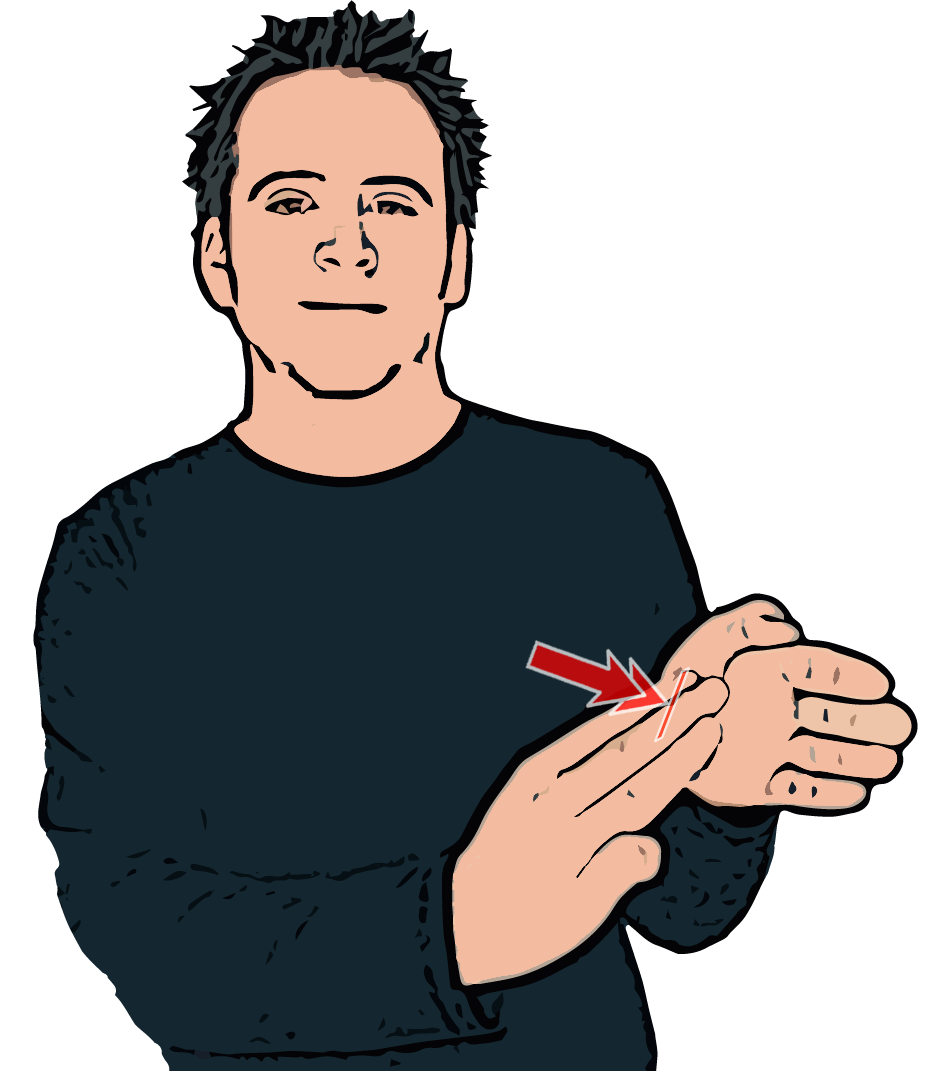
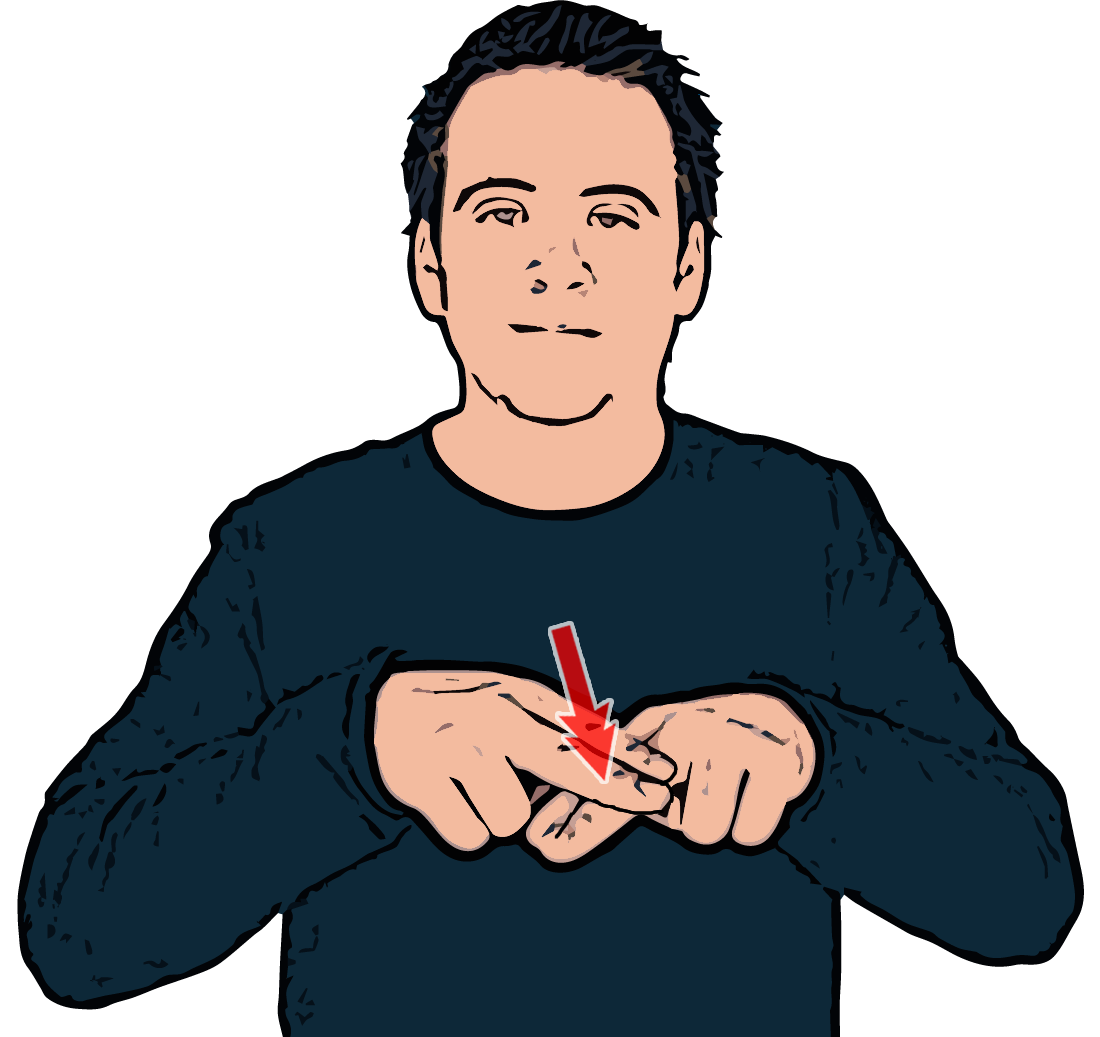
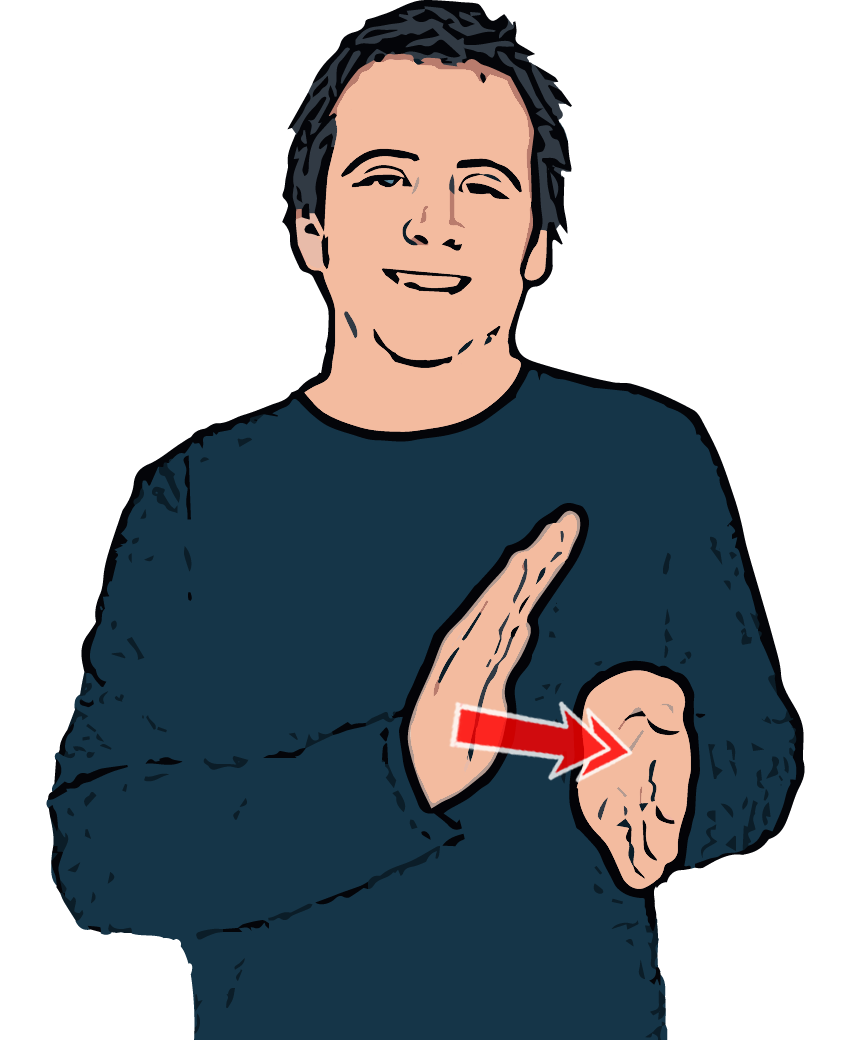
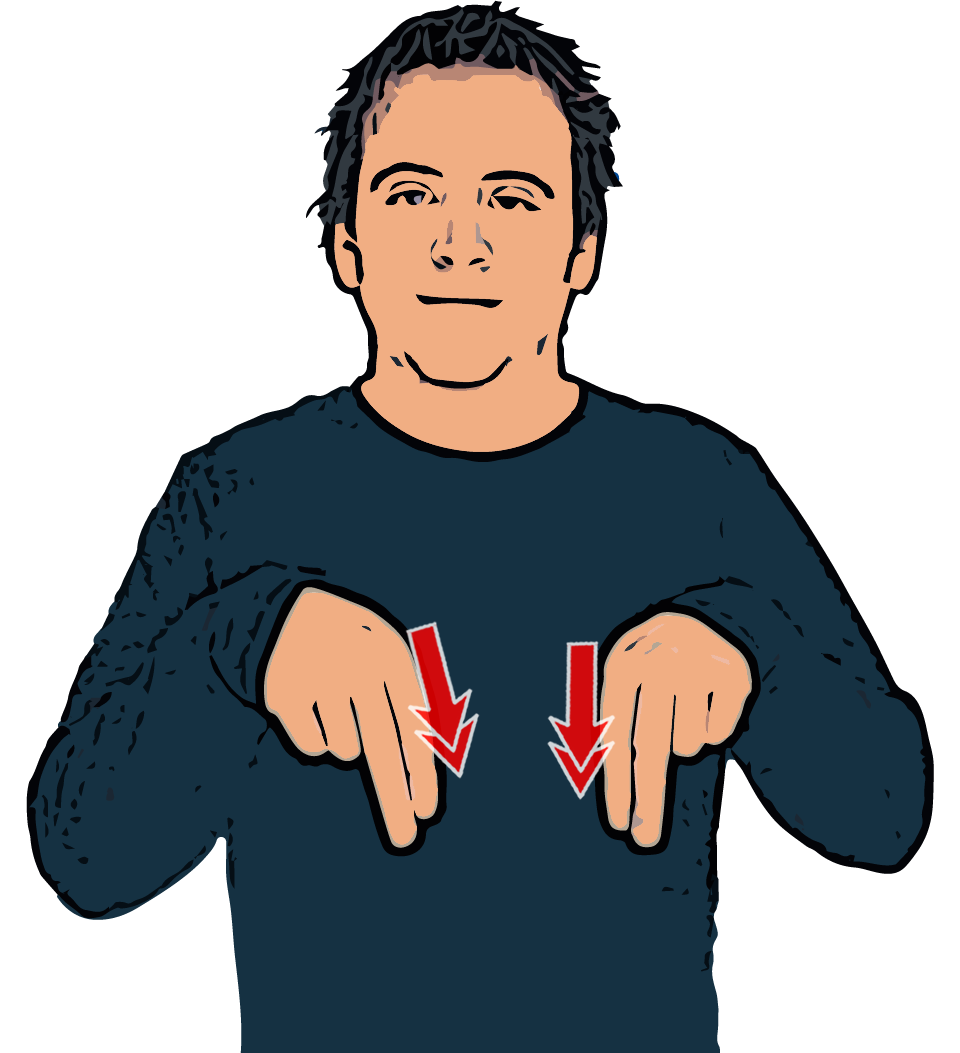
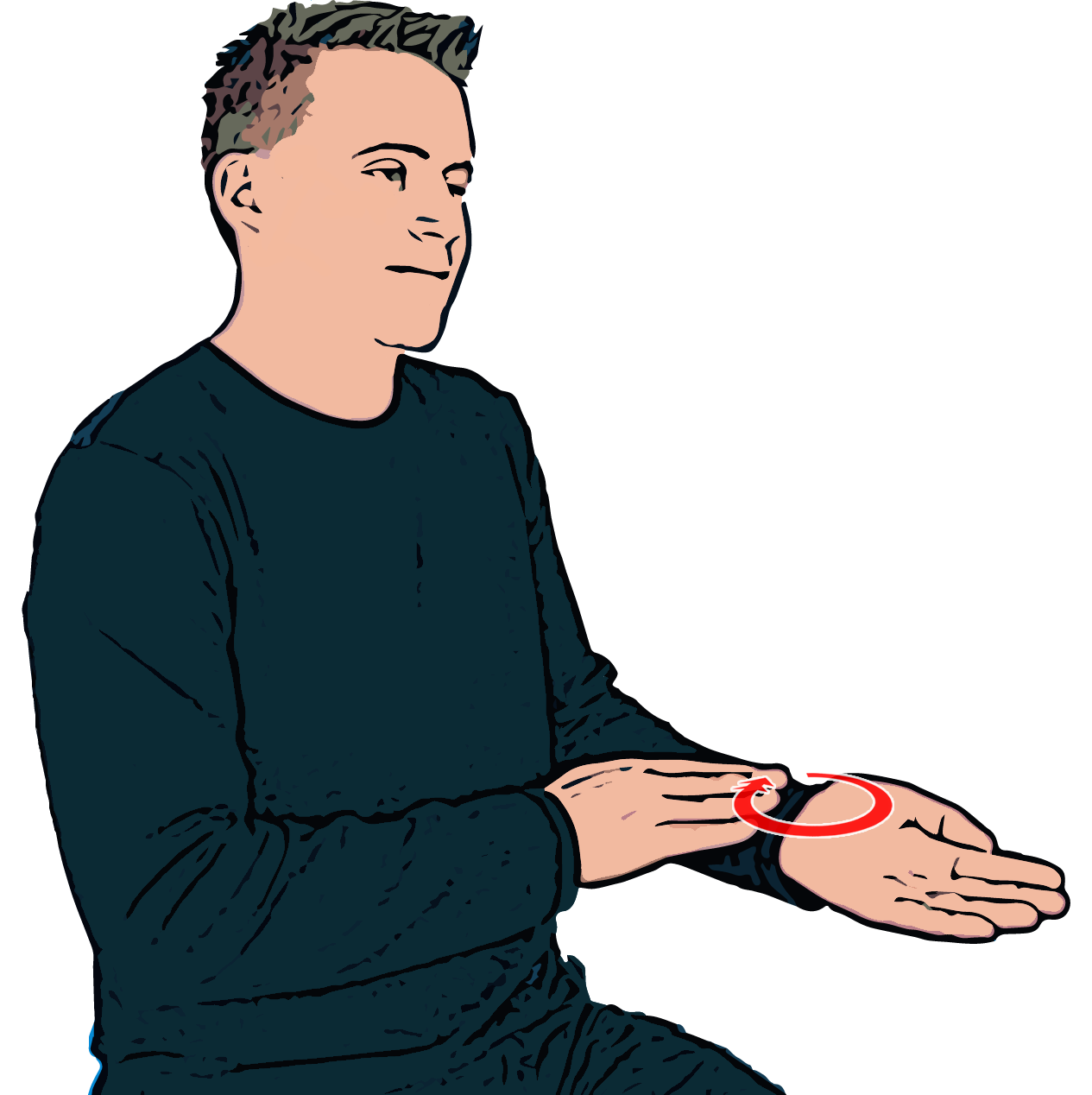

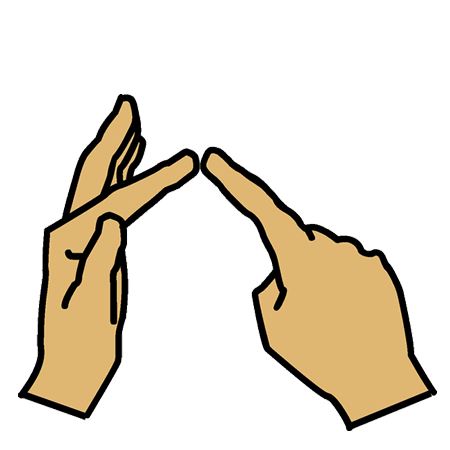

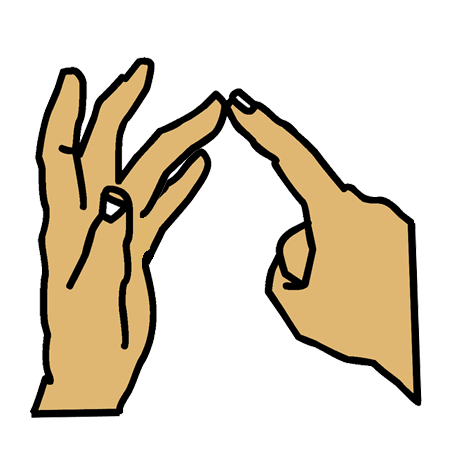
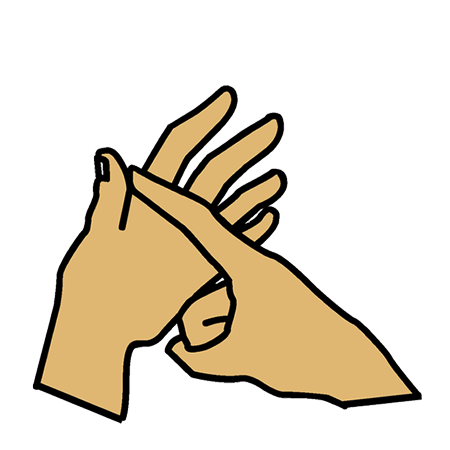

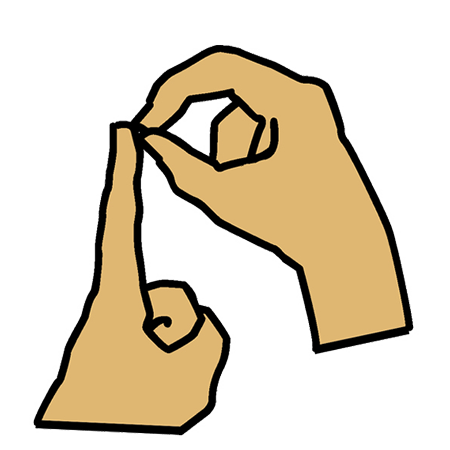

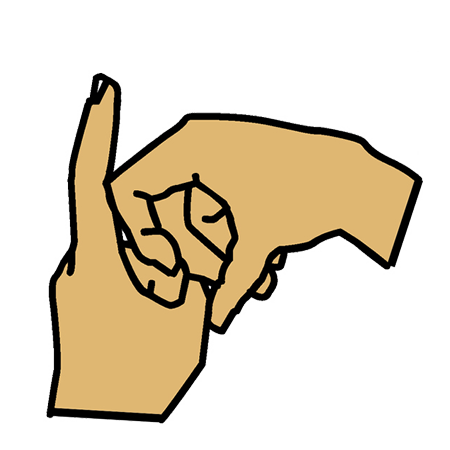

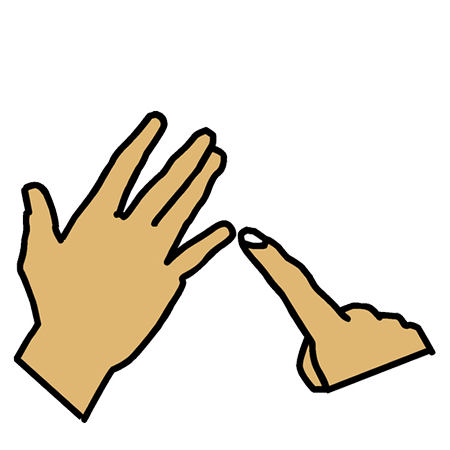
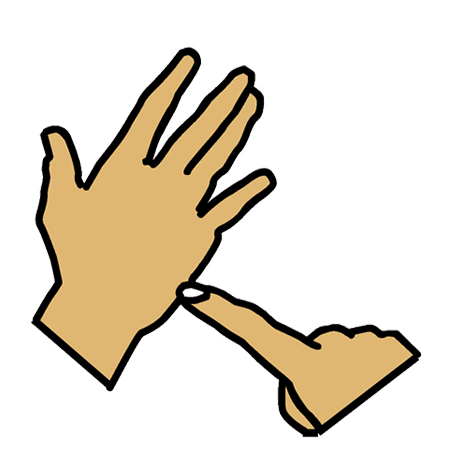
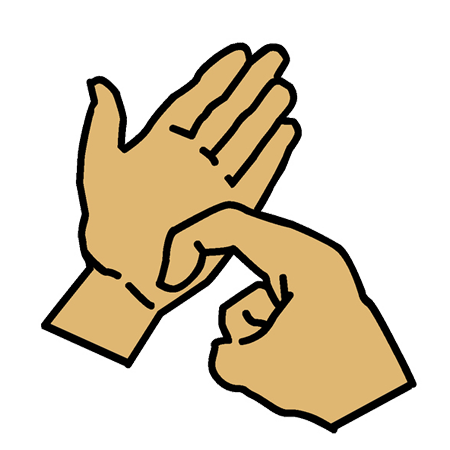
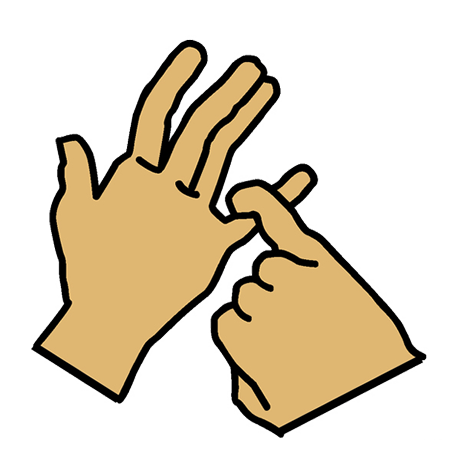
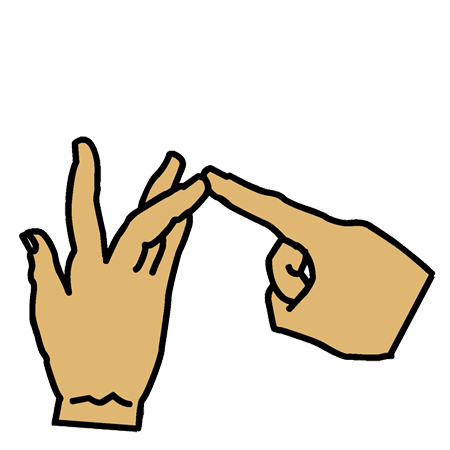
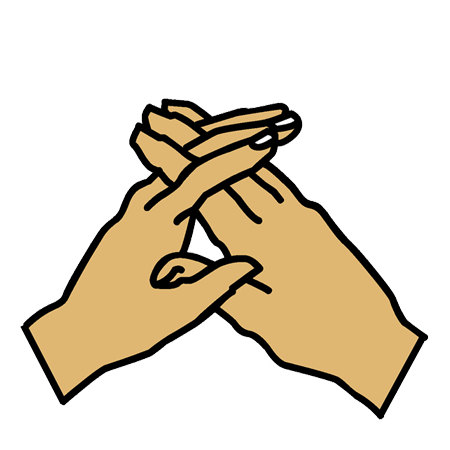
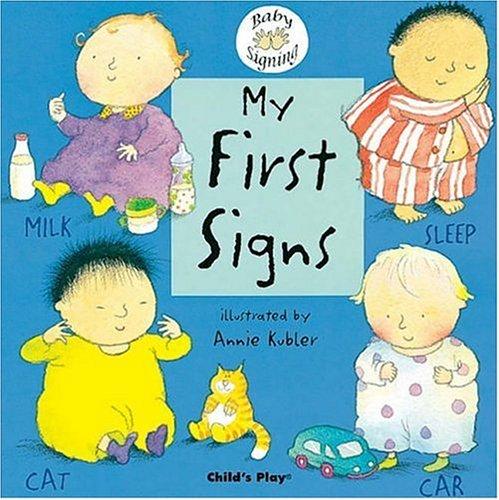
Pin the family signs poster behind your storytime corner. Show a small number of signs together at the start of each session and repeat them at later sessions.
For libraries
Free BSL resources for libraries
Drop-in BSL activities and printables ready for displays, storytime and Deaf Awareness Week. Staff can set up the prepared printables and introductory activities without prior BSL knowledge, and they are free for libraries to use.
- Free for library use
- No sign-up or email required
- Easy to print from desktop, tablet or mobile
Free tools for library spaces
Quick printables and activities for displays, desks and drop-in sessions
Vocab Sheet Maker
Build a themed A4 sheet (animals, colours, weather) for the children’s corner table.
Choose up to 12 signs from our library, pick a colour and download a printable A4 sheet.
OpenFingerspelling Player
Fingerspell a child’s name or a book character’s name on screen during storytime.
Type any name or word and watch it fingerspelled in BSL, with adjustable speed, hand preference and skin tone.
OpenWord/Name Printer
Print a storytime character’s name, a visiting author’s name or a welcome-desk nameplate in BSL fingerspelling.
Generate a printable fingerspelling image of any name or word – handy for name labels, displays and take-home keepsakes.
OpenWord Search Maker
Generate a fingerspelling word search for a half-term activity sheet.
Build a BSL fingerspelling word search around any theme or your own list of words.
OpenToday’s Signspell
A quiet daily BSL fingerspelling challenge for older children and teens.
A fresh BSL fingerspelling puzzle every day. Use the seven fingerspelling letters to find as many words as you can.
Open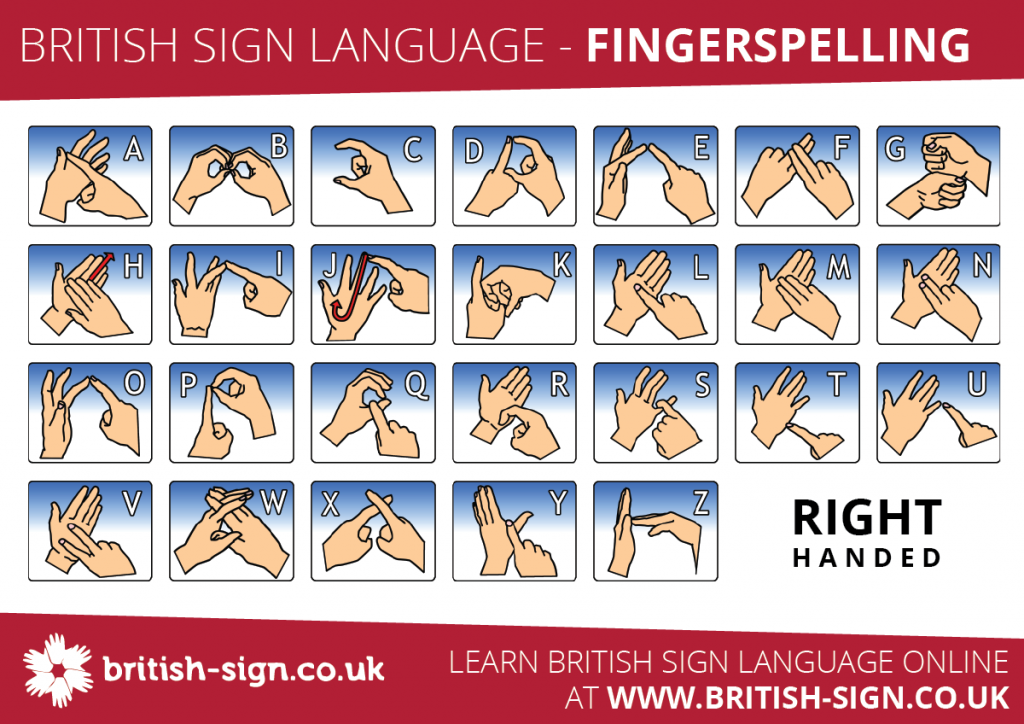
Free BSL resources
Print a BSL fingerspelling alphabet chart as a simple visual reference for staff and visitors.
Every free BSL tool, game and printable in one place.
OpenBy visitor group
What works for each visitor type
Build custom Vocab Sheets for your activity table around your current display theme (animals, weather, colours). Stack themed word search sheets nearby for take-home.
Open the Fingerspelling Quiz on a tablet in the teen area or at an activity table – ten fingerspelled words and an instant score. Today’s Signspell makes a low-stakes daily challenge.
Display the fingerspelling alphabet at the welcome desk. Adults who want to go further can take our 10-section CPD-certified online course.
Display & activity packs
Printable picks for your library
Communication & access
Welcome desk and event guidance for your staff
Communicating with Deaf visitors
Quick reminders for the welcome desk, drop-in sessions and event spaces.
- Ask the person how they prefer to communicate.
- Get their attention before speaking.
- Face them and keep your mouth visible.
- Use good lighting and avoid standing with a bright window behind you.
- Speak normally rather than shouting or exaggerating your mouth movements.
- Do not assume everyone can lip-read.
- Offer written information, but do not assume writing works for every BSL user.
Planning an accessible event
For author talks, storytime sessions and Deaf Awareness Week events.
- Ask attendees about communication or access requirements when they book.
- Arrange appropriate communication support, including a registered BSL/English interpreter where requested.
- Book communication support as early as possible.
- Check that hearing loops or other assistive listening systems are working.
- Use captioned videos and provide important information in writing.
- Make sure the room is well lit and attendees have a clear view of speakers and interpreters.
A welcoming display is a good start
BSL printables can help make visual language more visible, but accessible library services may also include working hearing loops, captioned content, email or text contact options, clear written information, Deaf awareness training and a straightforward process for arranging communication support.
Add your library’s access information
Use these questions to create a short local access guide for staff.
- What assistive listening systems, including hearing loops, are available, and where can visitors use them?
- How can visitors contact the library without making a telephone call?
- What is the process for arranging a BSL/English interpreter?
- How can visitors request access support for an event?
- Where can staff find the library service’s accessibility policy?
In the diary
Annual moments worth planning around
Deaf Awareness Week
UK Council on DeafnessA useful annual opportunity for Deaf awareness activities in libraries. Run a wall display with the alphabet chart, stock activity sheets at the children’s table all week, and use one of the printable sign sheets to introduce a few simple signs during storytime.
Sign Language Week
British Deaf AssociationAn annual celebration of BSL’s recognition as a language. Curate a Deaf history book display, stack alphabet bookmarks at the issue desk, and share a sign of the day on social media.
International Day of Sign Languages
United NationsA UN-recognised day celebrating sign languages worldwide. Add a short note to your display explaining that British Sign Language is different from American Sign Language, Irish Sign Language, Auslan and other sign languages around the world.
Worth offering
Why offer BSL resources at your library?
Practical, everyday inclusion
The National Deaf Children’s Society reports there are more than 50,000 deaf children and young people in the UK (NDCS, accessed 2026). Many more adults live with deafness or hearing loss, so visible, respectful resources can help make your library feel more welcoming.
Programming without expertise
The activities are designed to be self-explanatory. Staff do not need fluent BSL to print a sheet, set up a display or open a tool on a tablet.
Beyond books
Libraries already offer more than books. BSL resources sit naturally alongside the inclusion, accessibility and lifelong-learning materials your service already provides.
Quick downloads
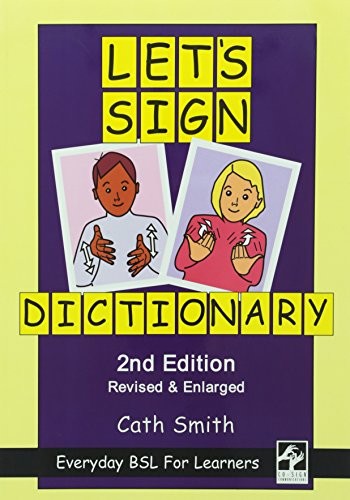
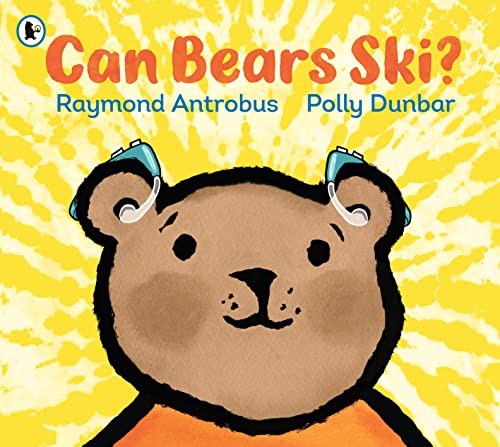
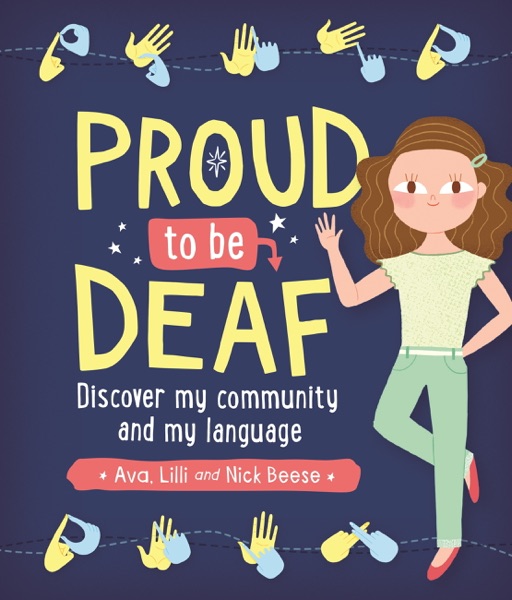
Posters and printables to download
Going further
Visitors interested in learning more?
Share our 10-section CPD-certified online BSL course with visitors who want to go further. Learners work through it in their own time, on any device.
Beyond our site
Trusted UK organisations
NDCSNational Deaf Children’s SocietyResources for families with deaf children and young people.Visit BDABritish Deaf AssociationA Deaf-led UK charity campaigning for BSL rights, language recognition and Deaf community priorities.Visit RNIDRoyal National Institute for Deaf PeopleInformation, advice and campaigning for deaf people, people with hearing loss and tinnitus, and their families.Visit
Questions
The things people ask us most
Can we use these in paid library events?
Yes. The resources are free to use in public library events, including ticketed events. Please keep our brand mark visible and do not resell, repackage or upload the resources as your own.
Are the activities suitable for children?
Yes. The alphabet chart, family signs, name fingerspelling activities and word searches can all work well for primary-age children. Younger children should use the interactive tools with adult support.
Can we share these with other branches?
Yes. Point colleagues at this page or the relevant tool URL. Everything is free to use across your service.
What if a Deaf visitor needs communication support?
These resources are for introductory learning, displays and simple visual reference. They are not a substitute for appropriate communication support or a registered BSL/English interpreter. For events, appointments, detailed enquiries or sensitive conversations, follow your library service’s accessibility procedures and arrange the appropriate registered communication support, such as a BSL/English interpreter, where needed.
Where do the signs in the Vocab Sheet Maker come from?
From our public BSL sign library at british-sign.co.uk. Each sign has a name and an illustration; you choose which ones go on the sheet. BSL signs can vary by region and community, so visitors may see some signs used differently elsewhere.
Can we link to these pages from our library website or catalogue?
Yes, please do. The page URLs are stable and we maintain them. Deep links into specific printables or the Vocab Sheet Maker work the same way.
Will you keep adding new signs and resources?
Yes. The sign library grows over time as we publish new vocabulary on the main site. The Vocab Sheet Maker draws from the latest library each time.