


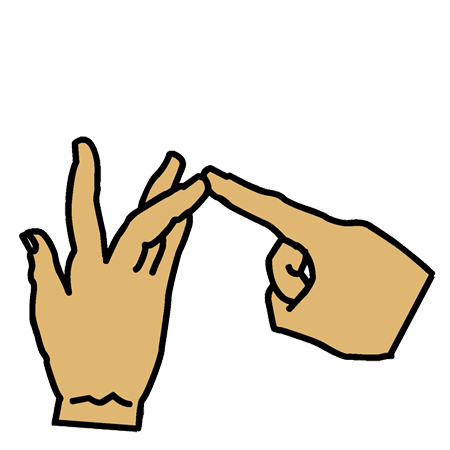



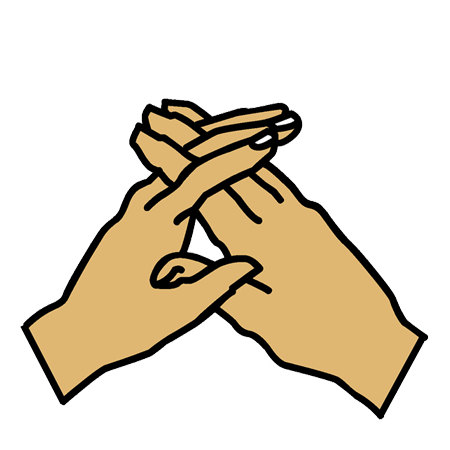


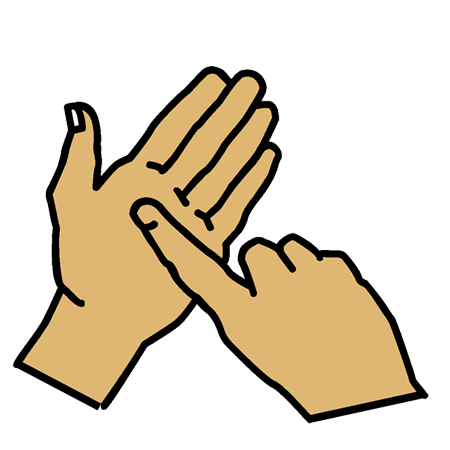

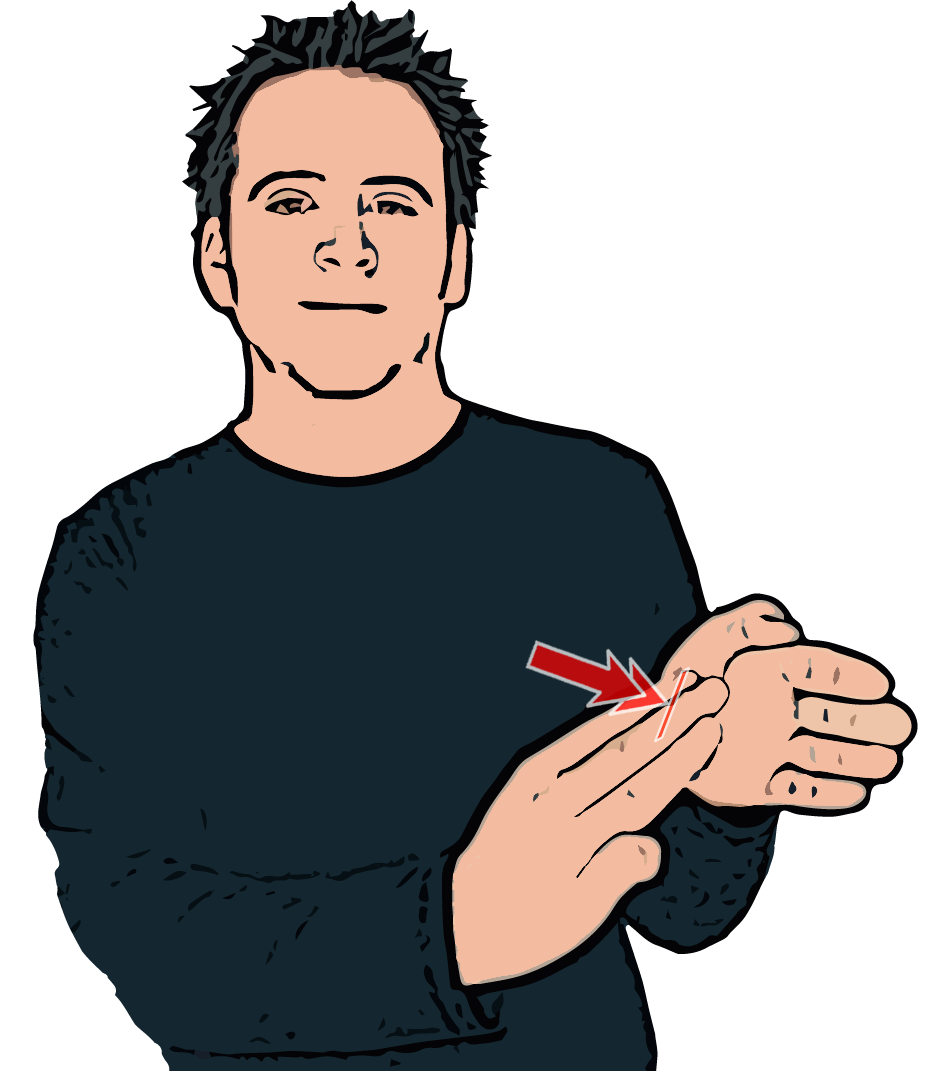
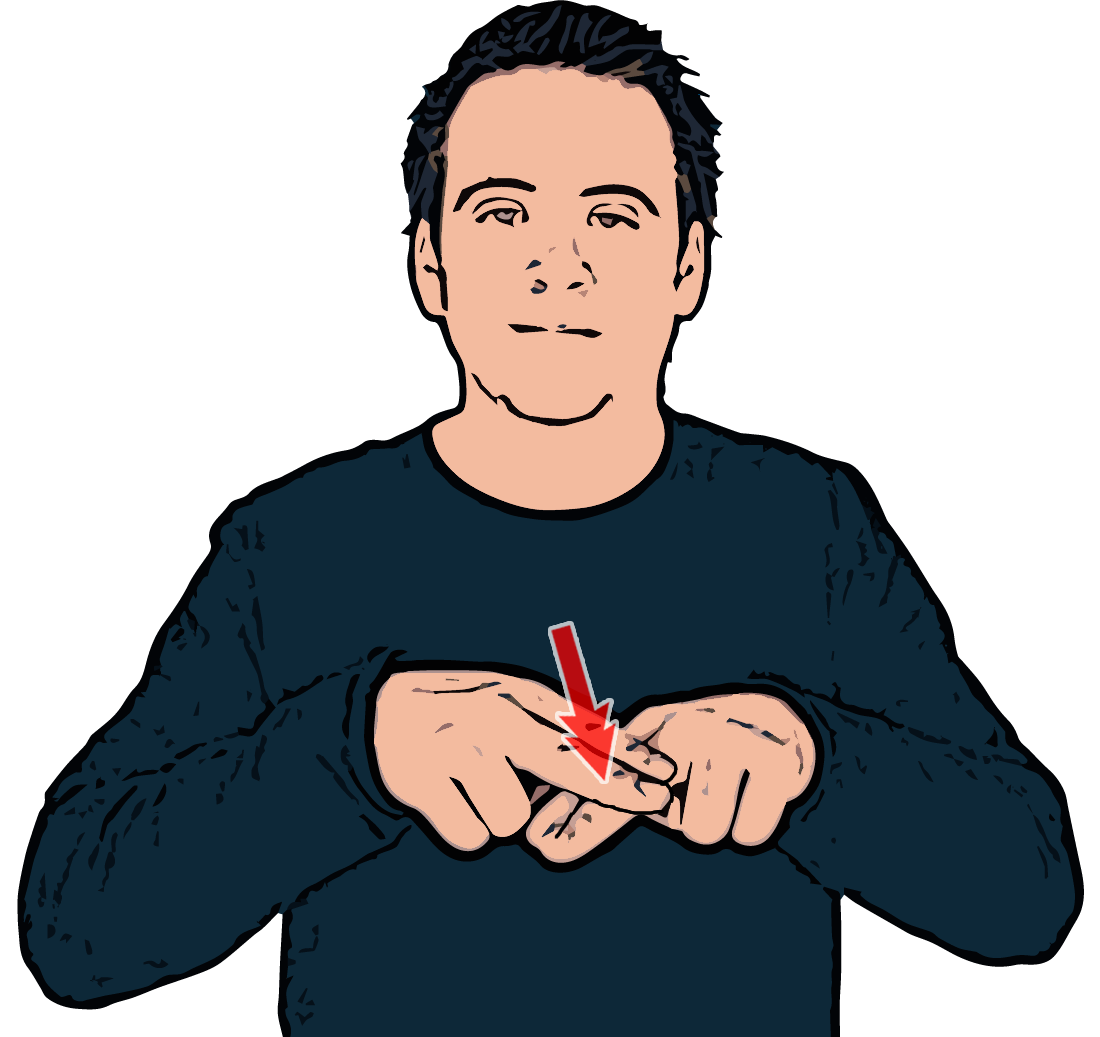

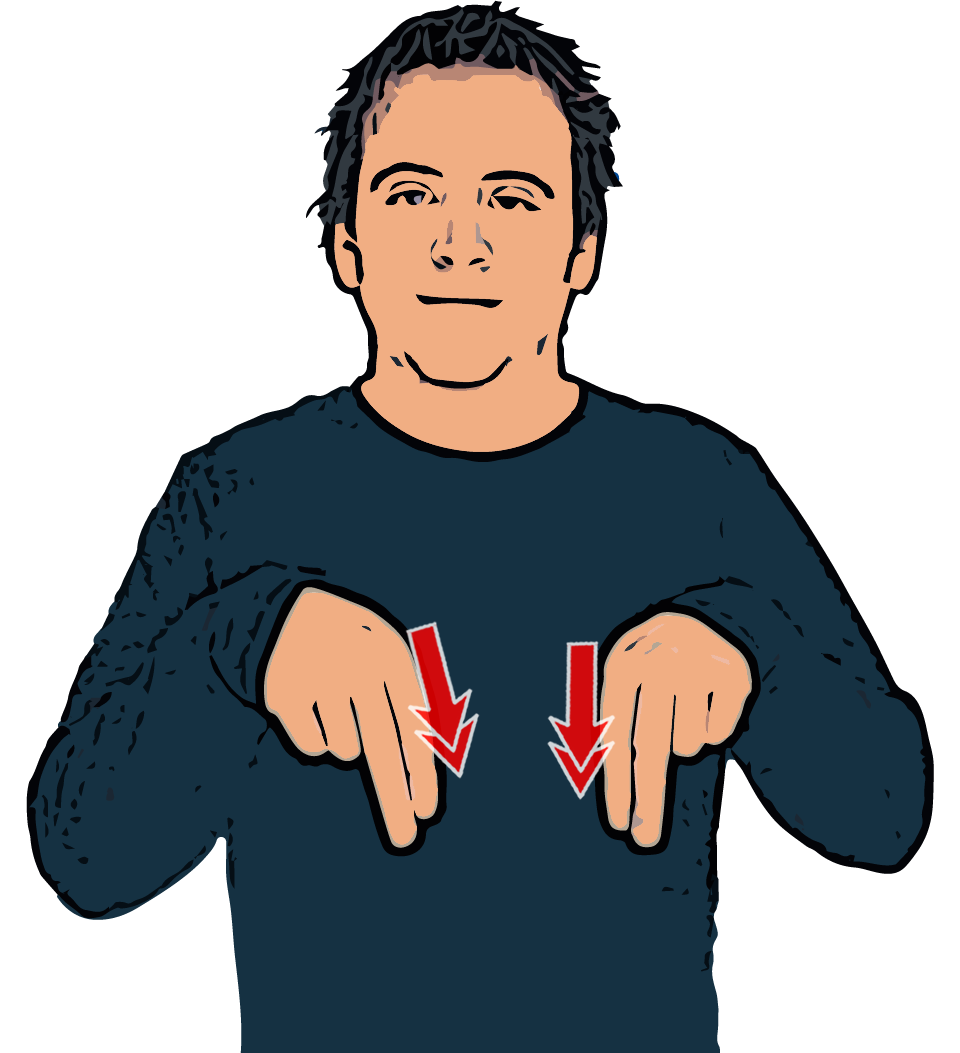
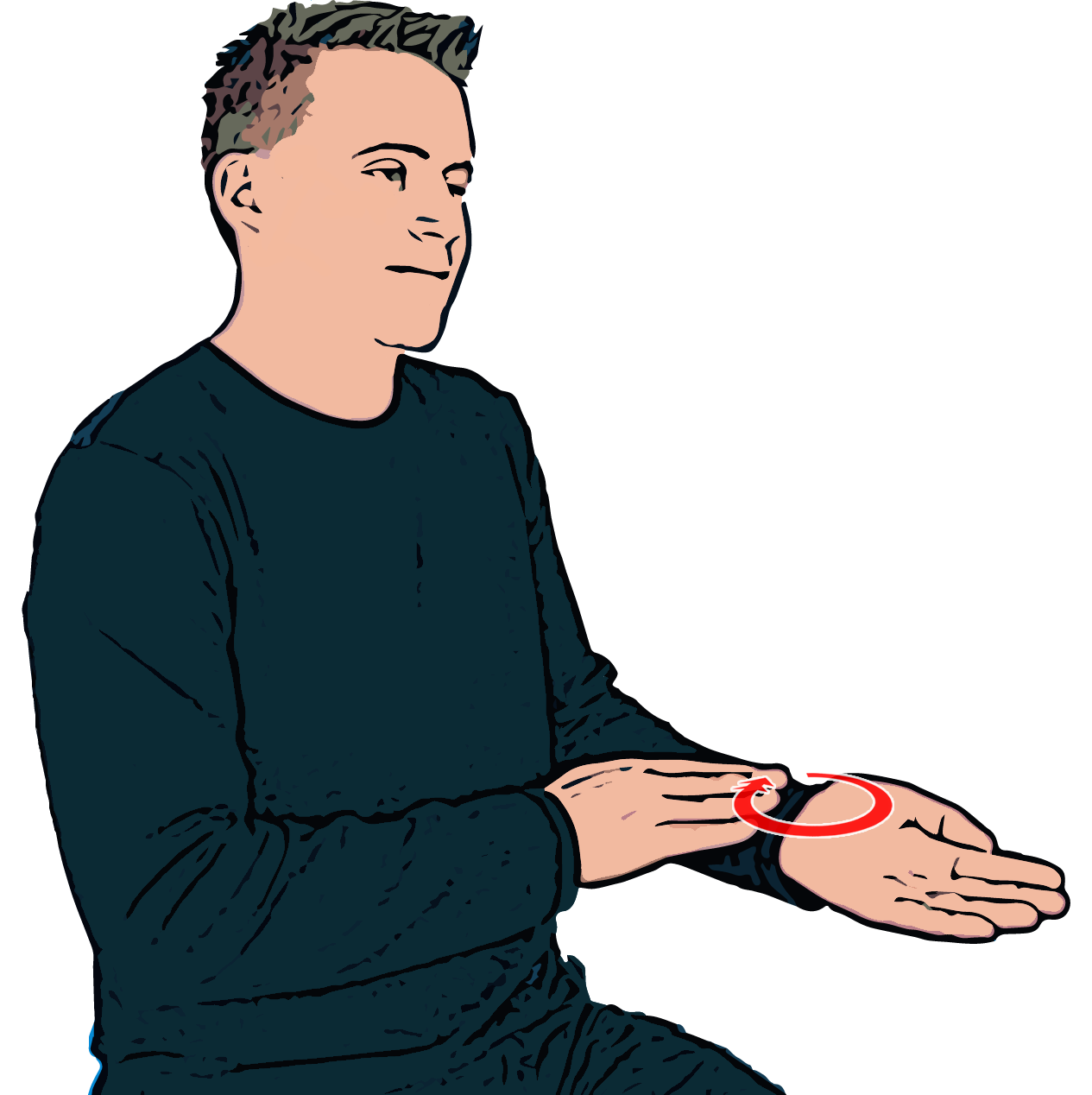



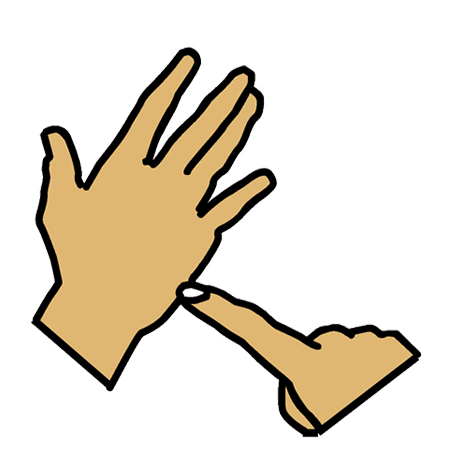
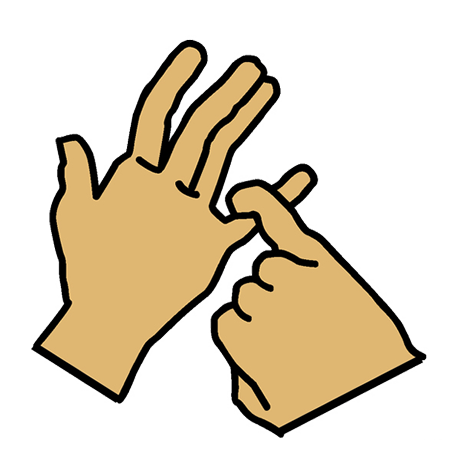
Introduce two or three everyday signs at a time through stories, pictures and familiar classroom routines. Greetings, family and animals are good places to start. At this age, focus on recognising and copying signs rather than learning the fingerspelling alphabet.
For schools
Free BSL resources for schools
Introduce British Sign Language with printable activities, classroom starters and interactive tools. No previous BSL knowledge is needed to use them. They provide a first introduction to signs, fingerspelling and Deaf awareness, rather than a course in BSL.
- Free to use in class
- No sign-up or email required
Introductory lesson
Lesson plan
Say It Without Speaking
A 45–60 minute introductory session exploring communication without speech, BSL fingerspelling and three everyday signs. Four classroom activities and four downloadable PowerPoint and PDF resources, no prior BSL needed.
Follow-up lesson
Lesson plan
BSL Fingerspelling Through Play
A 45–60 minute follow-up lesson in which pupils practise BSL fingerspelling through four short games – Bingo, Corners, Decode the Word and Find Your Partner. Each activity comes with its own printable pack, and several work as short classroom warm-ups on their own.
Free tools for busy classrooms
Quick starters, printables and activities that fit into the school day
Today’s Signspell
Put it on the board as a five-minute morning starter while the class settles or the register is taken.
A fresh BSL fingerspelling puzzle every day. Use the seven fingerspelling letters to find as many words as you can.
OpenFingerspelling Player
Pupils can watch their own names being fingerspelled, a friendly first introduction to the BSL alphabet.
Type any name or word and watch it fingerspelled in BSL, with adjustable speed, hand preference and skin tone.
OpenWord/Name Printer
Generate printable names and words for labels, classroom displays or pupils to take home.
Generate a printable fingerspelling image of any name or word – handy for name labels, displays and take-home keepsakes.
OpenVocab Sheet Maker
Create a visual reference sheet for a current topic such as animals, weather or family.
Choose up to 12 signs from our library, pick a colour and download a printable A4 sheet.
OpenWord Search Maker
Generate a fingerspelling word search in seconds for a lesson handout.
Build a BSL fingerspelling word search around any theme or your own list of words.
Open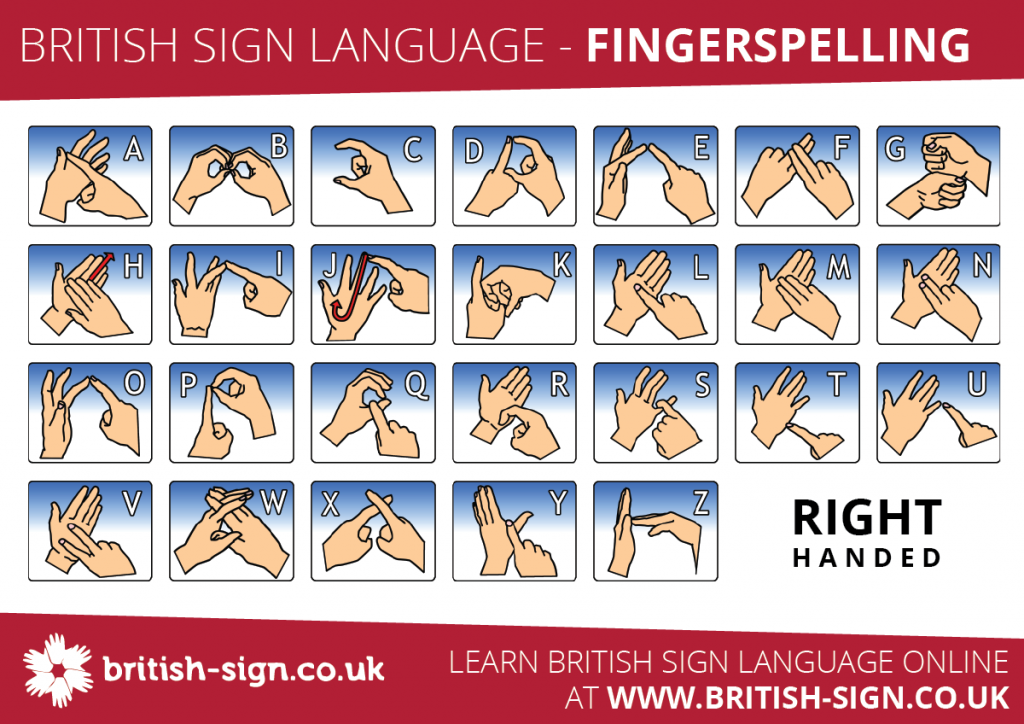
Free BSL resources
Grab the BSL fingerspelling alphabet chart for the classroom wall in one click.
Every free BSL tool, game and printable in one place.
OpenIdeas by age group
Simple ways to use the resources with different ages
Use simple signs alongside matching games, stories and familiar topics. Pupils who are confident with letters can begin to explore the fingerspelling alphabet and try fingerspelling their initials or short names.
Introduce the BSL fingerspelling alphabet and let pupils practise with their own names and familiar words. Create vocabulary sheets around current topics, or use a short game or daily puzzle as a classroom starter.
Use “Say It Without Speaking” to explore communication, BSL fingerspelling and a small number of introductory signs. Follow it with the fingerspelling games lesson or a themed word-search activity.
Explore BSL as a distinct language and discuss its relationship with Deaf culture and identity. Pupils can use the fingerspelling tools for short practical activities, but these resources are introductions rather than a structured BSL qualification.
In the diary
Dates for the school calendar
Sign Language Week
British Deaf AssociationMarks the anniversary of BSL being recognised as a language in its own right by the UK Government on 18 March 2003. A useful opportunity to explore Deaf history and culture, share Deaf authors and artists, and learn a new sign or two as a class. Exact dates vary each year.
International Day of Sign Languages
United NationsA UN day celebrating sign languages worldwide. Pair our BSL resources with a discussion of how sign languages differ between countries – BSL, American Sign Language, Irish Sign Language, Auslan and many more.
Deaf Awareness Week
UK awareness weekA national focus on deafness and Deaf awareness. The dates and lead organiser vary from year to year, so check the current year's listing. Ideas: build a corridor display with the fingerspelling alphabet chart, run a daily Signspell challenge, or use the “Say It Without Speaking” lesson.
Why it matters
Why explore BSL at school?
Practical, everyday inclusion
The National Deaf Children's Society reports 53,225 deaf children and young people in the UK (NDCS, accessed 2026). Introducing pupils to BSL can help make visual languages and Deaf identity more visible within school. Where a deaf pupil uses BSL, the school should follow the pupil's individual communication plan and seek appropriate specialist support.
A full language, not gestures
BSL has its own grammar, vocabulary and history. Learning about it can broaden pupils' understanding of language and communication, with links to English, languages and Citizenship.
Curriculum fit
These resources can support classroom work on communication, languages, inclusion and Deaf awareness. Teachers may find relevant links with PSHE, Citizenship and language-focused activities, depending on their curriculum and pupils.
Going further
A next step for staff who want to go further
Our 10-section introductory online BSL course has been independently CPD certified. Schools can enrol several staff in one payment, and each learner receives their own course access and, on successful completion, their own certificate. It is suitable for staff who want to build on these free resources, but it is not a regulated BSL qualification.
Where to go next
Further information and specialist support
NDCSNational Deaf Children’s SocietyResources for teachers supporting deaf pupils and families.Visit BDABritish Deaf AssociationA Deaf-led UK charity campaigning for BSL rights, language recognition and Deaf community priorities.Visit RNIDRoyal National Institute for Deaf PeopleInformation, advice and campaigning for deaf people, people with hearing loss and tinnitus, and their families.Visit BATODBritish Association of Teachers of the DeafProfessional body for teachers of the deaf across the UK.Visit
Questions
The things people ask us most
Do I need any BSL knowledge to use these resources?
No. The interactive tools are designed to be used without prior BSL knowledge. Your role is to introduce the activity and learn alongside pupils. The activities use supplied materials and are intended only as an introduction. They are not a substitute for learning with an appropriately skilled and experienced BSL teacher or tutor.
Can I print these for the whole school?
Yes. The free printables and tool outputs are free to use across your school. Please keep our brand mark visible, do not resell them, and do not upload them to other resource marketplaces as your own.
Are these resources suitable for primary and secondary schools?
Different resources suit different ages. Simple sign posters and visual activities work best with younger pupils, while older pupils can explore fingerspelling, language, Deaf culture and communication in greater depth.
What about EYFS / Reception?
Use a small number of signs regularly through familiar routines, stories and visual games. Pre-readers can explore simple signs before the full fingerspelling alphabet becomes meaningful.
Can these resources be used with pupils with special educational needs or disabilities?
Some may be useful, depending on the pupils and the purpose of the activity. Selected tools let users slow the fingerspelling, choose a left- or right-handed view and change the displayed skin tone. Teachers should adapt activities to individual communication, sensory, motor and learning needs.
BSL and Makaton are not the same. BSL is a complete natural language, while Makaton is a communication programme that uses signs, symbols and speech. These resources should not replace a pupil's established communication support or specialist advice.
Are these resources suitable for GCSE BSL preparation?
No. A GCSE in British Sign Language is being developed for England, but these resources are not aligned with its subject content or assessment requirements. They provide a general introduction to fingerspelling, selected signs and Deaf awareness, rather than a GCSE course.
Can I link to these pages from my school website or VLE?
Yes. Schools are welcome to link directly to the pages and tools from their website or VLE, including deep links into specific printables or the Vocab Sheet Maker.